

Surprising Facts About Home Appliances You Need To Know
Modern homes rely on mechanical helpers to maintain order. These machines operate in the background, yet few consider the complex mechanisms making them function. From keeping food cold to washing clothes, the convenience provided by these devices shapes daily routines. Many homeowners assume they know everything about standard household appliances, yet fascinating secrets hide within their metal frames.
Beyond basic functionality, domestic tools possess rich histories and operational quirks. Consumers tend to purchase devices based on aesthetic appeal or brand reputation, missing the remarkable engineering inside. Exploring the lesser-known attributes of these machines reveals a world of continuous innovation. Discovering these hidden details gives individuals a greater appreciation for the contraptions that make domestic life manageable.
The Hidden History of Kitchen Gadgets
The microwave oven stands as a prime example of accidental invention. A researcher testing radar technology noticed a chocolate bar melting in his pocket. This realization led to the creation of a massive cooking machine. Early versions of these appliances stood as tall as a refrigerator. Decades passed before they became compact enough for residential countertops. The evolution from military equipment to a kitchen staple remains fascinating.
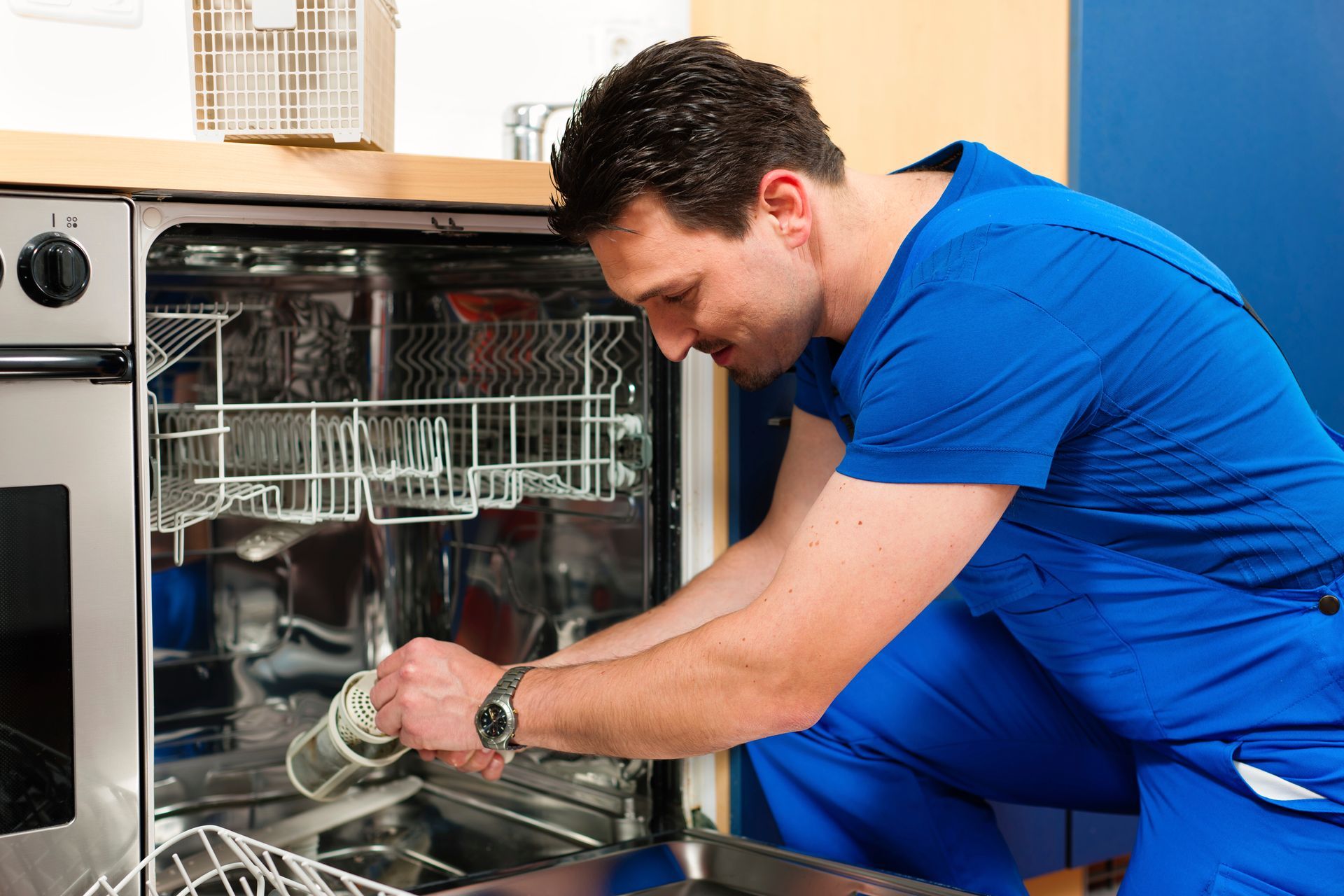
Dishwashers boast an unconventional origin story rooted in a desire for careful handling. A wealthy socialite grew frustrated with servants breaking her fine china during hand washing. She engineered a machine capable of using water pressure to clean plates without causing damage. Hotels bought the design first, while residential adoption took longer. The transition from commercial kitchens to domestic spaces required significant plumbing innovations.
The standard toaster revolutionized morning routines by automating a tedious task. Before the pop-up mechanism existed, people used metal frames over open flames to scorch bread, requiring constant supervision. A mechanic designed a timer and spring system to prevent burnt toast altogether. This mechanism transformed morning meals by ensuring consistent browning. The core design principles of this early model remain in modern iterations.
Ovens evolved from open hearths to sophisticated electric chambers. Ancient civilizations used wood and brick to bake bread in communal spaces. Cast iron stoves replaced open flames in Victorian homes, offering better temperature control and reducing smoke. The introduction of gas and electric heating elements changed the culinary landscape by bringing precise baking to the masses. Modern stoves now feature convection fans and digital controls.
The Secret Science of Cleaning Machines
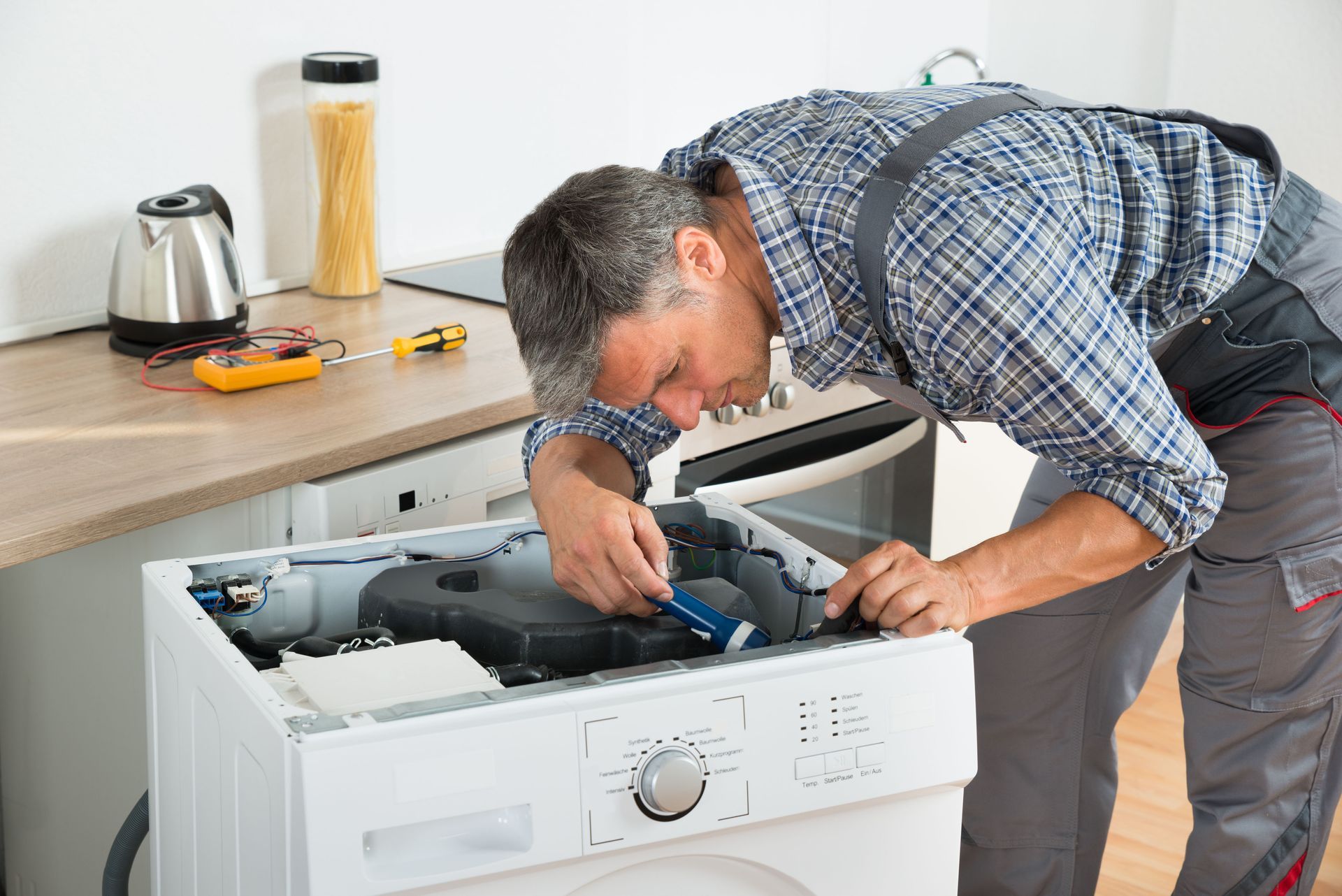
Washing machines operate using fluid dynamics to extract dirt from fabric fibers. The agitator creates a specific water flow pattern designed to lift stains without shredding the material. Modern front-loading appliances utilize gravity to tumble clothes through shallow pools of water, reducing overall consumption. This mechanical action loosens soil particles, allowing the detergent to capture and wash them down the drain.
The chemical composition of laundry detergent plays a crucial role in the washing cycle. Surfactants within the soap lower the surface tension of water, enabling it to penetrate fabrics with ease. Enzymes target specific organic stains, breaking them down on a molecular level. This chemical reaction occurs within the metal drum. Understanding this interplay between mechanics and chemistry highlights the sophistication behind a simple chore.
Vacuum cleaners rely on a fundamental principle of physics to capture dust from carpets. A motorized fan spins to lower the air pressure inside the canister, creating a vacuum effect. The higher-pressure air from the room rushes in to fill the void, carrying dirt particles along with it. A series of filters separates the debris from the exhausted air to prevent recirculation.
Robotic vacuums represent the latest leap in automated floor care. These autonomous devices use arrays of sensors to navigate complex floor plans and avoid obstacles. Infrared lasers map the boundaries of a room, while cliff sensors prevent the unit from tumbling down stairs. The machines learn the layout over time, optimizing their path for complete coverage. Dirt gets swept into a central bin by side brushes.
The Unexpected Efficiency of Cooling Systems
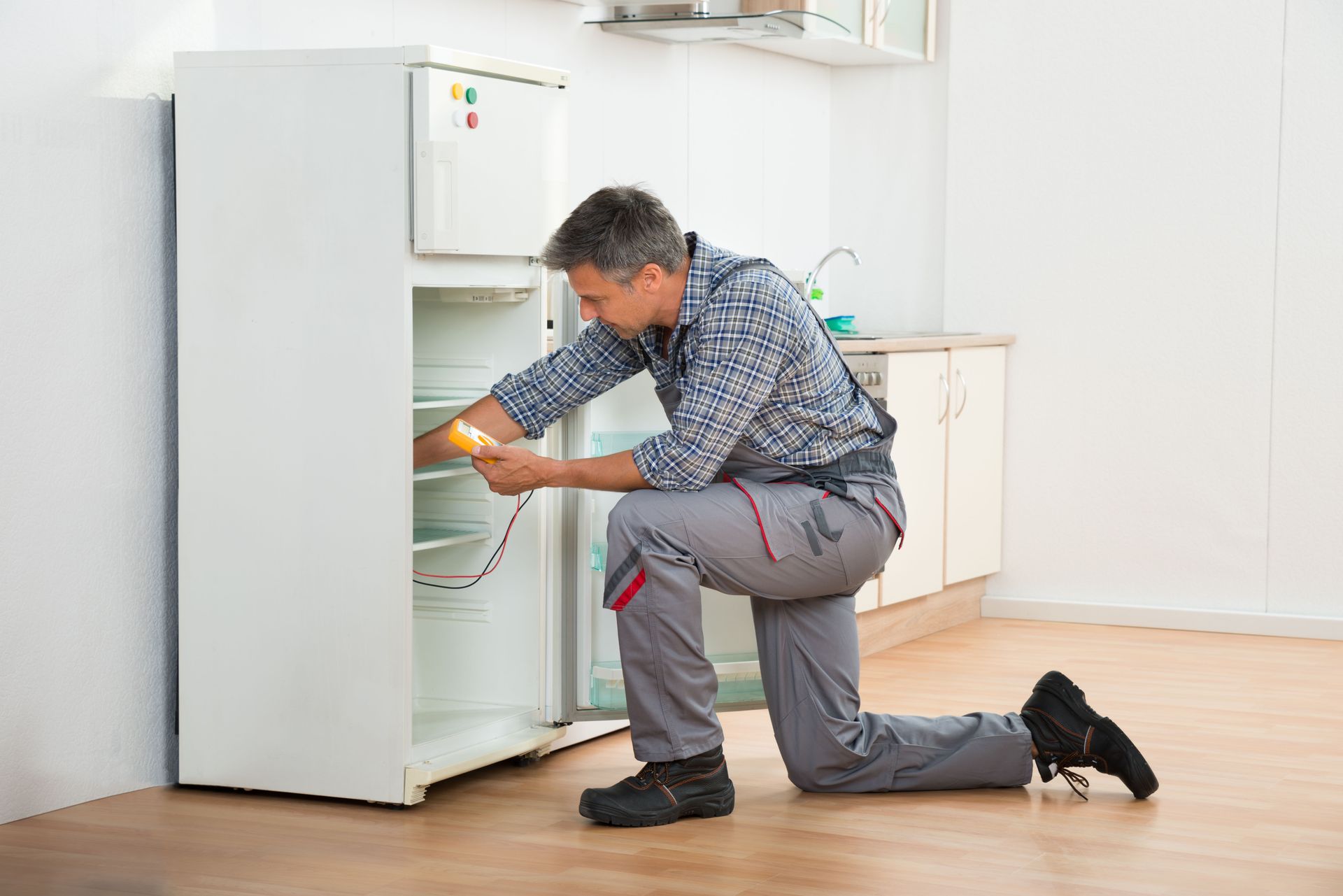
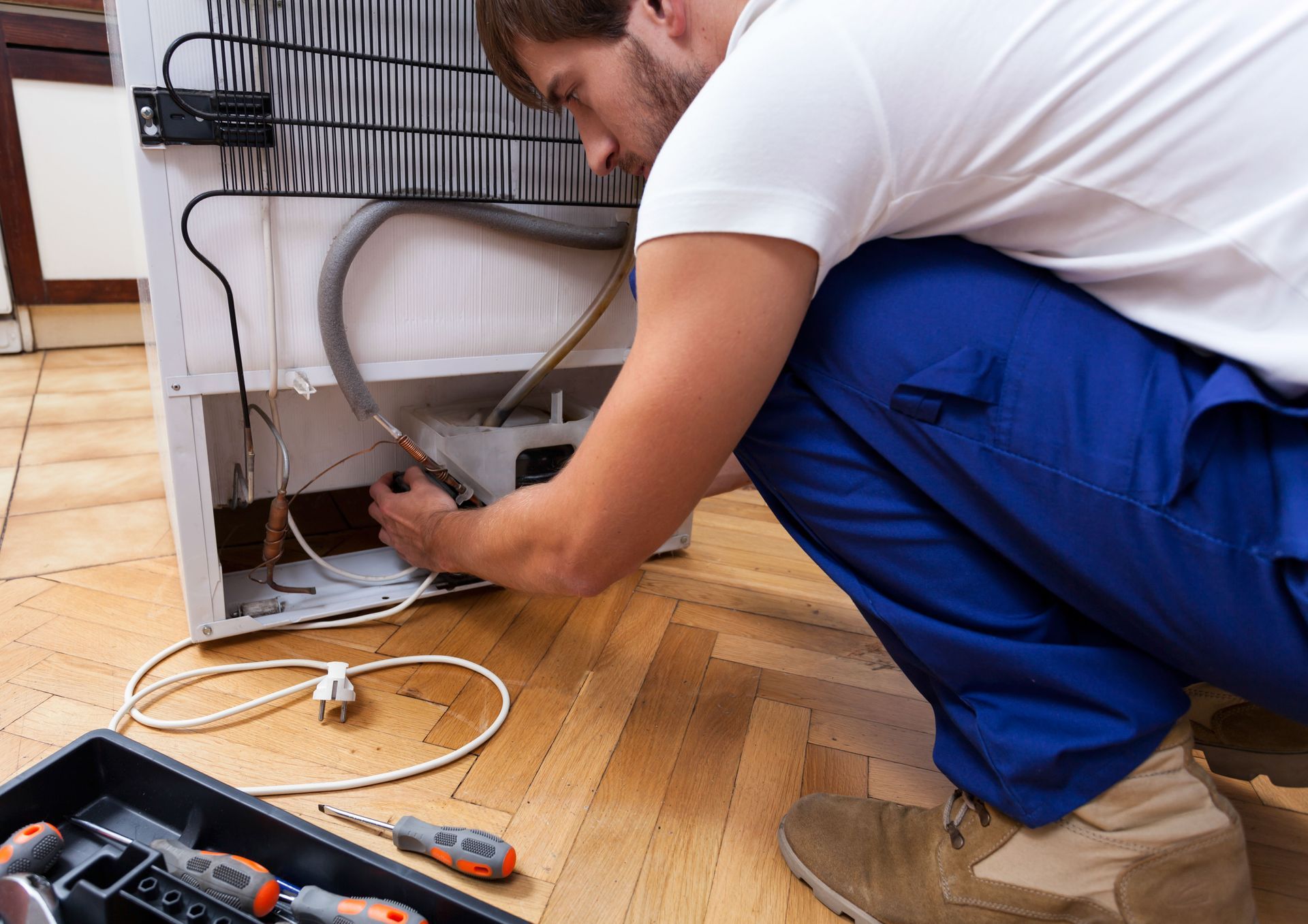
Refrigerators execute a brilliant thermodynamic cycle to keep perishables fresh. Instead of pumping cold air into the box, they extract heat from the interior and release it into the kitchen. A compressor pressurizes a special refrigerant fluid, causing it to heat up before flowing through exterior coils. As the fluid cools and expands indoors, it absorbs warmth from the stored food.
The financial impact of operating these machines remains lower than many suspect. Energy consumption varies based on household habits and machine age. However, the aggregate power draw for a standard set stays reasonable. According to HomeGuide, it costs $20 to $50 per month to run a fridge, freezer, oven, dishwasher, washer, and dryer. This modest expense highlights the incredible strides made in electrical efficiency.
Freezers face unique challenges in preventing ice buildup while preserving meat and vegetables. Older models required manual defrosting, involving scraping thick layers of frost from the walls. Contemporary units employ an automatic defrost cycle to manage moisture. A small heating element melts away nascent ice crystals before they accumulate. The resulting water drains into a pan beneath the unit and evaporates into the room air.
Air conditioning units operate on the same principles as kitchen refrigerators, just on a grander scale. They pull heat from the entire house and exhaust it to the exterior. The size of the compressor dictates the cooling capacity of the central unit. Moisture in the indoor air condenses on the cold coils, providing a dehumidifying effect. This dual action creates a comfortable living environment during hot months.
The Fascinating Mechanics of Heating Devices
Ironing boards and irons have smoothed wrinkled clothing for generations. The modern steam iron uses a heated metal plate to relax fabric bonds. A water reservoir drips moisture onto the hot element, generating bursts of steam to penetrate thick materials. These small appliances demand intense bursts of electricity to maintain high temperatures. A built-in thermostat cuts the power when the soleplate reaches the target heat.
Hair dryers harness the power of forced convection to accelerate water evaporation. A motorized fan pulls ambient air in through the back vents. The air passes over bare, coiled nichrome wires glowing with intense heat. The heated air blasts out the front nozzle to dry wet hair in a fraction of the time natural evaporation requires. A safety switch shuts off the power if internal temperatures climb.
Coffee makers rely on a simple bubbling action to brew the perfect morning cup. A heating element warms water in a bottom reservoir until it begins to boil. The resulting bubbles push the hot water up a narrow tube to the top of the machine. The water showers over ground coffee beans, extracting flavor compounds and oils. Gravity pulls the brewed liquid through a filter.
Space heaters provide localized warmth without activating the main furnace. They pass electrical current through resistive elements to generate pure heat. Radiant models use polished reflectors to direct infrared warmth toward specific objects or people in the room. Convection models warm the surrounding air, allowing it to rise and circulate throughout the space. Advanced tip-over switches ensure the unit shuts off upon falling over.
Future innovations will continue to transform the domestic landscape with greener technology. Artificial intelligence and sensor integration promise to make household maintenance more hands-off. Exploring the history and science of modern appliances fosters an appreciation for the convenience they provide. By understanding how these essential machines function, consumers can make informed choices and better maintain their investments. The quiet hum of a kitchen gadget reminds individuals of human ingenuity. If learning about these fascinating machines has inspired you to upgrade, we at New England Appliance Installations are ready to help. Reach out to us today, and let us handle the heavy lifting so your new appliances run flawlessly.



Share On: